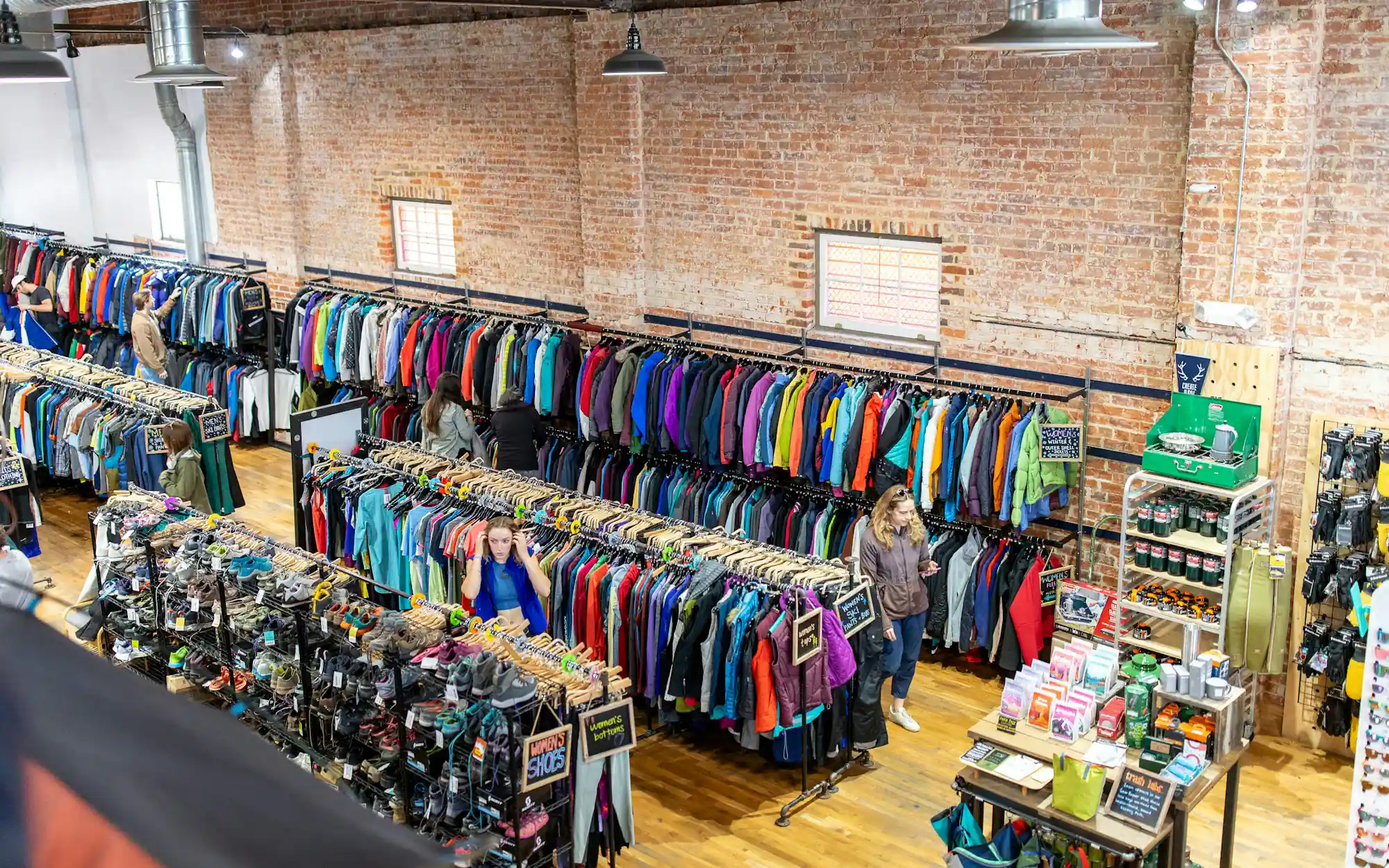
They don't all answer it the same way. Some give you a buy or skip call, some give you a price archive, and some just tell you what the item is. Here is how the main ones compare, what each is best for and what they cost as of November 2026. We make Oddlot, so we've kept this to facts you can check on each app's own site, linked from each side-by-side comparison.
The short answer
- Oddlot
- Best forA buy call and listing to eBay from one phone app
- Starts at5 free scans, Pro $14.99/mo
- Underpriced
- Best forA buy call backed by sold listings, on any device
- Starts at5 free analyses, $9.99/mo
- Underpriced AI
- Best forScanning, listing and inventory in one tool
- Starts atFirst scan free, $5/mo
- ThriftAI
- Best forA quick yes or no, including antiques
- Starts at3-day trial, $9.99/mo
- WorthPoint
- Best forResearching rare antiques and collectibles
- Starts at$26.99/mo on the App Store
- ScoutIQ
- Best forScouting books for Amazon
- Starts at14-day trial, $14/mo
- Google Lens
- Best forFinding out what something is
- Starts atFree
Prices are what each app listed on November 1, 2026. They change often, so check before you subscribe.
What to look for in a thrift scanner
Before comparing apps, decide what you need in the store. Most resellers care about five things.
- A clear call. Some apps say buy or skip. Others show a price and leave the call to you. If you're newer, a clear call saves time and second guessing.
- Where the price comes from. Some apps use sold listings, some use current asking prices, and some use their own estimate. Know which one you're looking at, because asking prices run higher than what things actually sell for.
- Profit after fees. A $40 price means little until you take out marketplace fees, shipping and what you paid. The better apps do that math for you.
- Scan limits. Plans often cap scans per month. On a big sourcing trip you can scan 50 items or more.
- What happens after you buy. Some apps stop at the price. Others help you list the item too.
Oddlot
Oddlot is built for the moment you're holding an item and deciding whether to buy it. Snap a photo or scan the barcode and you get BUY, SKIP or CHECK, the most you should pay and what you'd keep after fees and shipping.
The price comes from current eBay listings for the same item, which are asking prices, not sales. Oddlot shows you every listing behind the number so you can check it yourself. When you buy, you can list to eBay from the same app, and on Pro hand the listing off to Facebook Marketplace, Poshmark, Mercari, Depop, Whatnot, Vinted and Etsy.
Best for: resellers who want a fast call in the aisle and want to list from the same app. Watch out for: no sold prices.
Price: 5 free scans with a free account and eBay listing, no card. Pro is $14.99 a month or $99.99 a year, with unlimited scans (fair use of 150 a day, no monthly cap).
Underpriced
Underpriced, at underpriced.app, works a lot like Oddlot. Snap up to three photos, scan a barcode or upload a screenshot, and it gives a Flip or Pass call with a 0 to 100 deal score, fees, shipping, profit and return on cost.
Its site says prices come from recent eBay sold listings, plus Poshmark and Mercari when available, and it shows how many sales each result rests on. It writes listing drafts, but you post them yourself.
Best for: resellers who want sold data and a web app. Watch out for: monthly scan caps of 75, 200 or 500 by plan.
Price: 5 free analyses. Reseller is $9.99 a month, Pro $14.99 and Ultra $24.99, with a half-price first month.
Side by side: Oddlot vs Underpriced.
Underpriced AI
Underpriced AI, at underpricedai.com, is a different company from Underpriced. It identifies an item from a photo, shows sold prices it says come from eBay, Poshmark, Mercari and more, and has a should-I-buy profit calculator.
It goes further after the buy than most scanners. It posts straight to eBay and Bonanza, fills in listing forms on five more marketplaces from a desktop extension, and tracks inventory and repricing.
Best for: sellers who want one tool from scan to inventory. Watch out for: scans are capped by plan, from 30 to 2,500 a month.
Price: first scan free, then from $5 a month for 30 scans up to $199 a month, or scan packs from $3.
Side by side: Oddlot vs Underpriced AI.
ThriftAI
ThriftAI gives a buy or skip from a photo with a low, high and most likely price, an estimated margin after fees, and details like brand and material. It also dates and values antiques. With about 21,000 App Store ratings, it's one of the most used thrift scanners.
The developer says its estimates come from a model trained on past sales, and it labels results as estimates.
Best for: a quick yes or no, and casual antique checks. Watch out for: you see an estimate, not the listings behind it.
Price: a 3-day free trial, then Premium at $9.99 a month on the App Store, with yearly plans too.
Side by side: Oddlot vs ThriftAI.
WorthPoint

WorthPoint isn't a quick scanner. It's a price guide with nearly 20 years of results from auction houses and online marketplaces, plus a separate guide to maker's marks.
That makes it the strongest option for rare and old items that don't have current listings to compare against. We didn't find a buy call or fee math on its App Store listing.
Best for: antiques and collectibles research. Watch out for: it's slower to use in the aisle and costs more.
Price: the Price Guide is $26.99 a month on the App Store.
Side by side: Oddlot vs WorthPoint.
ScoutIQ
ScoutIQ is the standard tool for scouting books to sell on Amazon. Scan a barcode or ISBN, often with a Bluetooth scanner, and custom buy triggers flag what's worth taking. An offline database works in stores with no signal.
It needs an Amazon seller account and covers the US and UK Amazon marketplaces. It doesn't recognize items from photos.
Best for: booksellers on Amazon FBA. Watch out for: not useful for clothes, shoes or most general thrift.
Price: Live is $14 a month and Live + Database is $44 a month, with a 14-day free trial.
Side by side: Oddlot vs ScoutIQ.
Google Lens

Google Lens identifies almost anything from your camera and shows shopping results and where to buy it. It's free and already on most phones.
Google's Lens page doesn't mention a buy call, a most-to-pay or profit after fees. Shopping results can include new retail prices, which can make a used item look worth more than it is.
Best for: identifying a mystery item. Watch out for: retail prices aren't resale prices.
Price: free.
Side by side: Oddlot vs Google Lens.
How to choose
- 1If you sell books on Amazon, start with ScoutIQ.
- 2If you buy antiques and rare collectibles, add WorthPoint for research.
- 3If you want a fast call on general thrift and want to list from the same app, try Oddlot.
- 4If you want sold data, try Underpriced or Underpriced AI.
- 5If you just need to know what something is, use Google Lens, then run the numbers yourself.
Most of these have a free tier or trial, so test two on the same five items before you pay for one. Whatever you use, set your most-to-pay before you reach the register. Our max buy price calculator does it in a few seconds, and our guide to how much to pay for thrift inventory explains the math.